Best Companies for Pallet Liquidation
Top Mistakes to Avoid in Pallet Liquidation: An Essential Guide for Beginners
In the field of pallet liquidation, new entrants often face several obstacles that can hinder their success. Many beginners fail to consider essential elements such as pallet quality assessment and market research. Additionally, they may fail to account for hidden costs and the importance of networking. Each of these mistakes can significantly affect profitability. Being aware of these typical missteps is essential for individuals hoping to navigate this intricate landscape effectively. What strategies can guarantee a more successful entry into pallet liquidation?
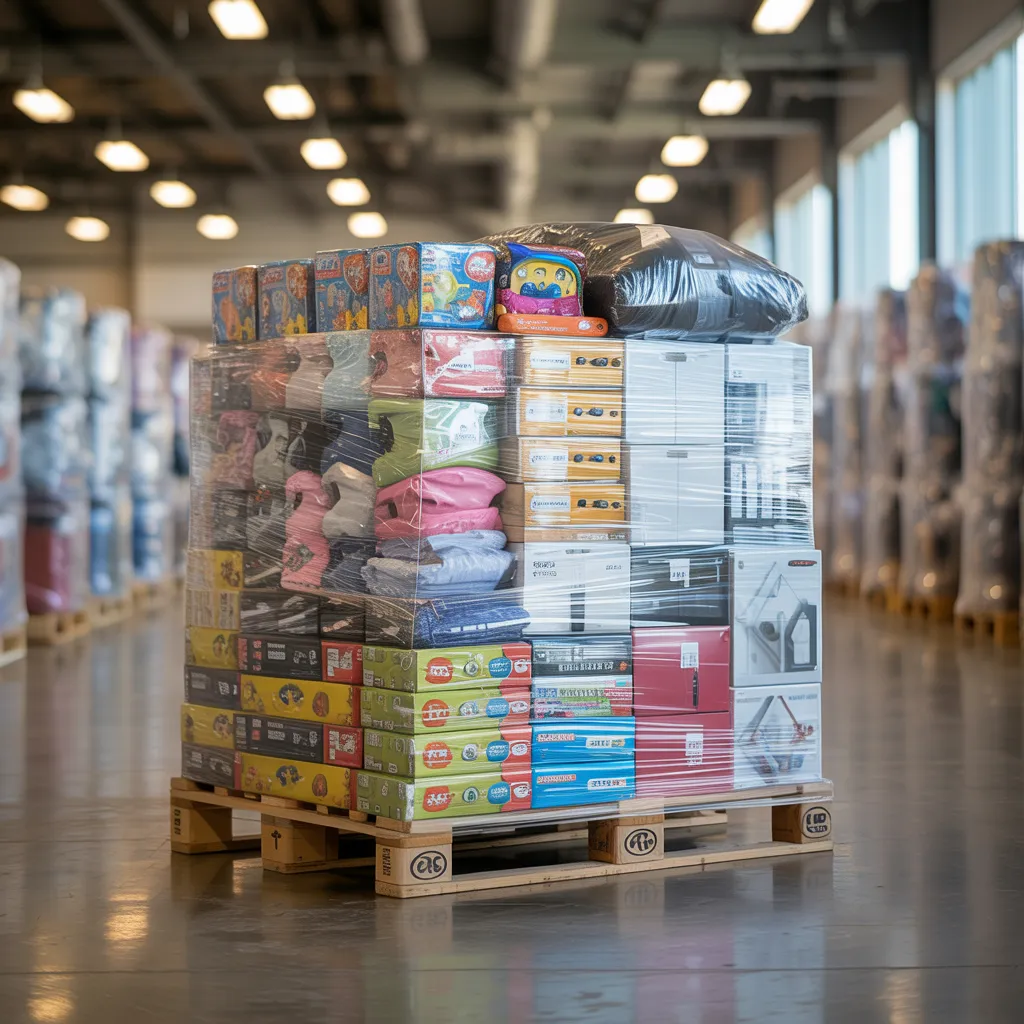
Avoid Misreading Pallet Quality in Liquidation
In the field of pallet liquidation, quality evaluation is paramount. Newcomers frequently misassess the state of pallets, which can lead to significant losses. Understanding the distinction between salvageable and non-salvageable goods is vital. Numerous people are inclined to ignore minor visible damages, under the impression that small signs of wear do not diminish overall value. However, hidden defects can result in additional costs during resale or disposal.
Furthermore, depending entirely on visual inspections proves to be unreliable. It is recommended to examine product descriptions in detail and, if the opportunity arises, assess pallets on-site. This practice helps in identifying potential issues that may not be immediately apparent. Moreover, understanding market demand for specific items aids in forecasting potential profits. Through emphasizing a comprehensive assessment of pallet condition, resellers can prevent expensive errors and improve returns on their investments. Acknowledging the value of thorough quality evaluation represents an essential foundation for excelling in pallet liquidation ventures.
Familiarize Yourself with Local Regulations
While navigating the complexities of pallet liquidation, comprehending local regulations is critical to your success. Adhering to local laws can significantly influence the profitability and sustainability of a liquidation business. Every region may enforce particular rules concerning the resale of goods, encompassing safety standards and labeling requirements. Failing to adhere to these regulations can result in fines or even legal action, jeopardizing the entire operation.
Furthermore, land use laws might influence the areas in which liquidation activities may be conducted. A complete knowledge of municipal rules will help avoid significant missteps, such as opening a warehouse in a forbidden location. Moreover, some states require tax payments on particular types of products or demand authorization for sales events. As a result, undertaking in-depth research regarding local ordinances is an important step for those participating in the pallet liquidation marketplace. Following these regulations guarantees a smoother operation and promotes enduring growth within the market.
Perform Market Research for Pallet Liquidation
Performing comprehensive market research is essential for achieving successful pallet liquidation. The process involves studying local demand patterns, assessing competitor offerings, and evaluating pricing strategies to guarantee a competitive edge. By understanding these factors, businesses can make informed decisions that strengthen their liquidation efforts.
Analyze Local Demand Trends
In what ways can understanding local demand trends significantly influence pallet liquidation success? Examining these trends enables liquidators to match their inventory with community needs, guaranteeing greater sales potential. Local demand can fluctuate considerably due to factors including seasonality, economic conditions, and demographic changes. Through comprehensive market research, liquidators can determine which products are highly sought after and modify their purchasing strategies as needed. Such understanding not only decreases unsold inventory but also boosts overall profitability. Furthermore, staying aligned with local preferences can assist in developing focused marketing strategies, building stronger relationships with prospective buyers. In the end, a sharp awareness of local demand trends provides pallet liquidators with the essential tools to make well-informed decisions and enhance their operations.
Examine Competitor Offerings
An in-depth knowledge of competitor offerings can greatly enhance a pallet liquidator's competitive standing. By conducting extensive market research, liquidators can identify the kinds of pallets and merchandise competitors are offering, as well as their procurement methods. This insight helps in identifying gaps in the market that could be exploited for better profitability. Additionally, analyzing competitors' advantages and shortcomings allows liquidators to differentiate their own offerings, ensuring they meet consumer demands more effectively. Observing customer feedback on competitor products can yield important data on quality and service expectations. Ultimately, researching what competitors provide equips pallet liquidators with the knowledge needed to adjust their business tactics and better position themselves in a challenging marketplace.
Review Pricing Strategies
Evaluating pricing approaches is essential for pallet liquidators seeking to maximize profitability. To develop effective pricing, sellers must perform comprehensive market research, analyzing the market demand for particular items and rival listings. Recognizing geographic pricing differences and time-based market shifts can shed light on optimal price points. In addition, assessing acquisition costs with projected retail values aids in pinpointing viable profit opportunities. Liquidators should also evaluate target audience characteristics; tailoring pricing to distinct purchasing audiences can enhance sales. Moreover, adopting flexible pricing strategies, such as savings for volume buying or limited-time offers, can attract more customers. At the core, a well-informed pricing strategy not only boosts profitability but also places the business favorably among industry rivals.
Detecting Hidden Charges in Pallet Liquidation
Within pallet liquidation, hidden costs can greatly affect profitability. Unforeseen shipping charges, marketplace platform fees, and losses from unsold inventory frequently go overlooked. Recognizing these costs is critical for an effective liquidation approach.
Unanticipated Shipping Charges
While exploring pallet liquidation options, one key factor commonly ignored is the risk of unanticipated freight charges. Most first-time buyers fixate on the expense of the stock itself but overlook the additional expenses associated with shipping the pallets. Shipping fees can vary greatly based on the supplier's whereabouts, the size of the shipment, and the selected shipping company. Additionally, some sellers may charge extra for shipping services or require buyers to arrange their own shipping, adding complexity to the procedure. To avoid unpleasant surprises, it is important to confirm freight conditions before concluding a deal. Understanding these costs can prevent substantial cost exceedances, guaranteeing a more precise monetary evaluation of the complete liquidation undertaking.
Online Auction Service Fees
Navigating the terrain of pallet liquidation commonly exposes a web of auction platform fees that can significantly impact profitability. Many newcomers overlook these undisclosed charges, which can include listing fees, final value fees, and payment processing charges. All platforms maintain distinct fee arrangements, and understanding these can avoid unforeseen monetary setbacks. Furthermore, some auctions may impose buyer's premiums that inflate the overall payment amount. It is vital for newcomers to carefully examine the platform policies and pricing structures before signing up with any platform. By staying aware of these costs, buyers can more effectively gauge their complete financial commitment and potential returns, ultimately leading to smarter acquisition strategies.
Losses From Unsold Inventory
Identifying losses from unsold useful guide inventory is crucial for individuals participating in pallet liquidation. Unsold products can accumulate costs that substantially influence profitability. Initially, there are holding costs, which rise as time passes as products sit unsold. Moreover, remaining inventory can trigger discounts or clearance promotions, additionally reducing expected returns. Furthermore, the threat of product obsolescence or physical damage intensifies the longer items remain unsold, leading to mounting financial obligations.
In addition, businesses frequently miss the hidden cost of capital held in unsold inventory, which could have been used elsewhere. A detailed examination of stagnant merchandise enables liquidators to reach better decisions, minimize losses, and enhance future acquisition strategies. Identifying these concealed expenses is crucial to maintaining a profitable liquidation operation.
Grow Your Network
Cultivating a strong set of connections is critical for those entering pallet liquidation. Forming ties with professionals in the industry, suppliers, and fellow liquidators can substantially increase valuable opportunities and market knowledge. Reaching out to businesses in your area, attending trade shows, and joining online forums can build connections that generate important insights about pallet sourcing strategies and current market trends.
Moreover, networking may result in strategic partnerships, facilitating collaborative purchasing or shared knowledge on proven selling strategies. By building relationships with seasoned liquidators, beginners can gain mentorship, benefiting from counsel on circumventing frequent mistakes.
Additionally, dedicated online communities and social media channels serve as excellent resources for broadening one's networking reach. Regular interaction in these spaces can lead to discovering fresh business contacts and trade partners. Ultimately, a strong network is not just a support system; it is an essential resource that can drive a beginner's growth in the liquidation pallet industry.
Master Sales Strategies for Pallet Liquidation
Excelling at sales approaches for pallet liquidation can substantially affect profit margins. Understanding market demand is crucial; vendors should undertake in-depth analysis to identify which products are trending and attracting buyers. Pricing strategies also serve a critical function; competitive pricing can draw in potential customers while maintaining a healthy return.
Using web-based channels for selling can broaden the audience reach, allowing sellers to reach a wider customer segment. Strategic marketing techniques, such as crafting engaging listings with professional images and thorough descriptions, can enhance exposure and attractiveness.
Cultivating connections with returning customers encourages trust and loyalty, which can result in steady sales. Additionally, providing special offers or discounts can generate interest and accelerate sales, minimizing surplus stock. By following these methods, beginners can handle the intricacies of pallet liquidation and maximize their returns.
Common Questions and Answers
What Exactly Is Pallet Liquidation, and How Does the Process Work?
Pallet liquidation encompasses purchasing surplus or returned merchandise, often in bulk, from retailers or wholesalers at a reduced price. Purchasers obtain pallets packed with mixed merchandise, ranging from electronics to clothing, which they can then sell separately or in smaller lots. This process commonly involves bidding at liquidation auctions or purchasing directly from liquidation companies. Success in this field requires knowledge of market demand and strategic inventory management to increase financial returns.
Where Can I Locate Trustworthy Liquidation Suppliers?
To locate trustworthy liquidation suppliers, it is advisable to begin by exploring online directories and discussion forums where knowledgeable buyers offer their perspectives. Going to trade shows and professional networking events can also provide valuable connections. Confirming supplier qualifications and reading customer reviews helps establish trust. Furthermore, obtaining referrals from industry colleagues may point you toward dependable resources. It is essential to evaluate pricing and conditions to ensure an equitable agreement, thereby cultivating a satisfying buying experience.
What Kinds of Products Can You Usually Find in Liquidation Pallets?
Liquidation pallets typically contain a wide variety of items, including furniture, electronics, toys, clothing, and home goods. These products frequently originate from returns, overstock, or discontinued product lines, leading to varying conditions from new to damaged. Retailers may include brands from well-known companies, presenting profitable opportunities for resellers. However, the specific contents can vary greatly, making it essential for buyers to thoroughly research and inspect pallets before purchase so as to optimize their return on investment.
How Can I Determine the Resale Value of Liquidation Items?
To evaluate the market value of closeout merchandise, you should research similar products online to assess market rates. Browsing comparable items on platforms like eBay or Amazon can offer valuable information about present market demand and price fluctuations. Moreover, evaluating the physical condition of the item, brand reputation, and any included accessories can influence value. Finally, accounting for delivery expenses and regional competition helps establish a balanced and rewarding resale price.
What Are the Most Common Mistakes Beginners Make in Pallet Liquidation?
Common pitfalls for beginners in pallet liquidation include overlooking key costs including shipping and handling charges, which can heavily influence profitability. A large number of beginners also neglect to investigate the market worth of products, leading to poor purchasing decisions. Moreover, disregarding effective inventory management strategies can cause products to remain unsold. Beginners might also neglect to inspect pallets thoroughly, putting their investment at risk by acquiring damaged or unsalable items. In the end, a lack of understanding of local rules and regulations can result in compliance problems.